

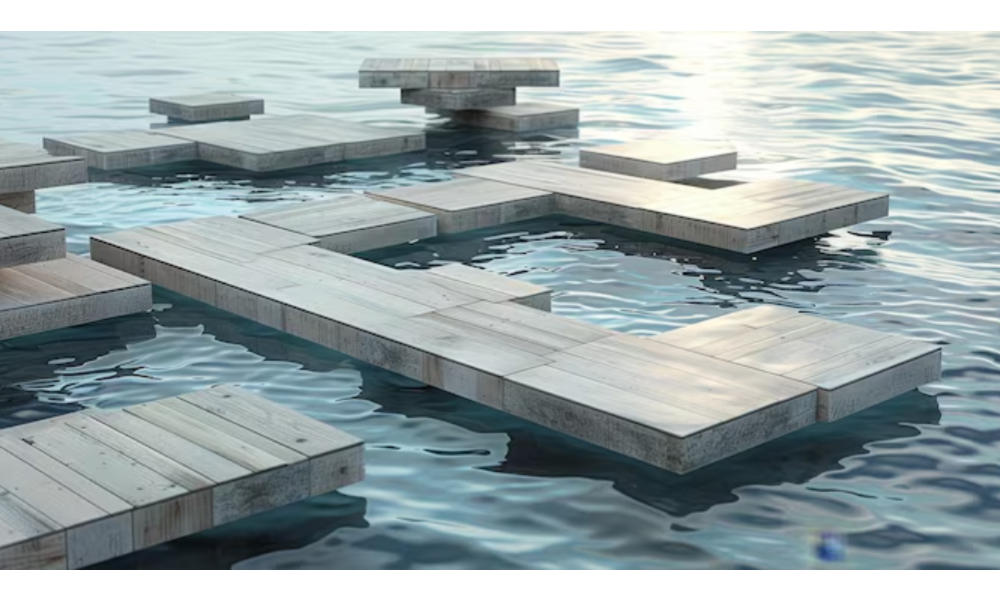
I maintain and install floating systems all along the coast, including Biscayne Bay. Let me tell you a small truth. Docks do not fail all at once. The docks fail in a very quiet manner. A fastener loosens. A board cupps. A cleat may wiggle after a long weekend. Salt can be found in unexpected places. It’s easy. Dock Maintenance Tips can help you to avoid expensive repairs and delays. This will also give you a comfortable place to walk, which is the ultimate goal.
This guide is only for South Florida. The sun that bites. Water that never sleeps. Storms that arrive on Tuesday, while you are still at work. I will keep it simple but let some personal habits in, because routines are more valuable than perfect gear. Supreme Floating Docks can walk you along the dock to create a plan and help you with your shoreline if needed.
Make inspections a habit and not an event
You can’t repair something that you haven’t seen. I like to do a quick check every month and a thorough one every quarter. This is called a dock inspection checklist. You can keep it in a bag inside the dock box. After you have completed the check list, make a note on your phone. It may seem tedious, but it helps you identify patterns so that you can make purchases ahead of time instead of rushing out to buy something as soon as it breaks.
What to Look For
- Check brackets and piles for cracks and movement.
- Decking and trim: Look for raised screws, lifted edges, cupping or splinters.
- Hardware: Check cleats, hinges, and bumpers.
- Check for punctures and scuffs caused by repeated impact.
- Electrical and water: GFCI. Tighten conduit straps. Clean hose bibs. No green fuzz.
- Safety equipment: ladders, throw rings and lighting in good condition
Dock safety maintenance relies on this. You will be able to make better decisions regarding dock cleaning and maintenance, as you’ll have a clear idea of where your focus should be. Then, print the list out and mark any problem areas on a dock drawing. A pencil map can be more useful than memory when storms are approaching.
Tip 2 – Clean like a professional, not like an in-a rush painter
Salt is patient. Algae makes you happy. They can reduce the life of coatings and hardware. Cleaning is not flashy, but it is the best thing you can do to extend the life of your dock. Start by using a mild cleaner. Rinse often. Use the pressure washer only on the stubborn areas. Water will pool in low areas if you scar or etch the composite. This can cause decay.
Practical cleaning cadence
- A weekly light rinse after a boating trip or one with heavy spray is recommended.
- Use a dock cleaner and a soft bristle brush to wash your docks every month.
- Every three months, deep clean your house, paying special attention to the corners and ladder rungs that are shaded as well as any algae lines.
If you are tempted to blast, pause. When you apply pressure, water is forced into the joints and under trim. It looks like new after a few days. Be gentle. Be patient. You should not remove the surface but rather clean it. These tips for dock pressure washing will help you avoid causing damage.
Algae hiding spots
- Inside ladder rungs
- Under the fender board and behind the rub rail
- The first board next to a pile of spray that falls every hour
- Sewn seams never exposed to direct sun
A stiff nylon brush is better for this than any other machine. Save time by giving the zones a quick scrub every time you rinse. It takes just five minutes. It pays back every weekend.
Seal, coat and protect your home with climate in mind
South Florida is known for its sun and salt. Dock coatings must be able tolerate both. By reducing moisture fluctuations, a penetrating sealer for wood can buy you time. On composites, a simple cleaning will suffice. A composites-specific sealant may be beneficial for edges that receive a lot of traffic. Select marine-rated finishes on metal, and pay special attention to bracket edge paints.
Coatings that stick
- Cleaning and sealing wooden docks is easy: Simply clean, allow it to air-dry, then use a penetrating sealant. Repeat every 12-18 months depending on exposure.
- Use a wire bristle to remove any rust from metal hardware. Prime with marine primer, then topcoat with UV stable enamel. Any small chips should be repaired immediately.
- Replace UV-torn parts and floats as soon as they fail.
The steps aren’t glamorous, but they protect docks along the coast. If you prefer to schedule your dock maintenance than make decisions on the spot, add a note to your dock plan. Spring is the time to clean and seal. In the fall, inspections and repairs to fasteners are performed. After major storms, one extra check. A small rhythm has a huge impact.
Tip #4 Joints, fasteners and movement points determine everything
Docks breathe. Docks breathe. Joints can flex if the tide changes, if it is hot or crowded. Fasteners that are damaged or worn can cause boards chatter. It is through this process that rot can begin in the smallest of spaces. Replace small screws with stainless steel that is the right grade for your water condition. Where there is obvious wood tearing, washers can be used. Add a thin marine sealing compound to the pilot hole in long damp zones. These small habits can help preserve your dock by keeping water away from places where it shouldn’t.
Hardware Priorities
- When loads are heavy, the cleats should be firmly secured to the backing plates.
- If there is slop, hinges on gangways should be re-pinned.
- Give your fenders and rubbing rails a fresh look before a busy season.
- Bolted aluminum frames offer cheap insurance.
This is all easy. It’s easy to postpone. Stopping a board from wiggle can save it. Imagine this as a hardware check on a dock. Once you’ve got the right bins, it will take less time than anticipated.
Tip 5: Plan as if storms and seawater are already scheduled.
They are. Every year, we are treated to a few named storms and many unnamed squalls. Preparation is part of saltwater dock maintenance. When the weather changes to yellow, you will remain calm.
Before the storm season
- Check the pile wraps for tears and replace them.
- Label and test quick release lines for boats, PWCs, and other watercraft
- Bins with a lid that latches are ideal for storing portable items.
- Take pictures of the docks and equipment to be used as insurance and for reference.
- Confirm where the power is shut off and put a copy of it in a Zip-Lock bag.
Storms are approaching
- Remove all loose furniture and hoses
- Even if your intention is to drag out, you should still tie fenders where the boat will be.
- Drop the ladders and secure to stop them from banging in waves
- Turn off the dock circuits if flooding is anticipated.
After the storm, do not rush back to the structure. Find any lines that have fallen. Tap the boards lightly with a mallet near hangers and transitions. Listening to the soft sounds will tell you where water has been sitting too long. These are the quieter sections of a guide on marine dock maintenance but they are as important as any cleaner or sealant.
How to maintain docks without losing Saturdays
It is important to have a routine that will last you through the busy weeks. This simple loop is popular with owners.
- Every first weekend, 20 minutes. Rinse, spot scrub, quick fastener scan.
- Every quarter for an hour. Test GFCIs and touch up metal. Brush and wash algal lines.
- Two hours, twice a year. Re-seal the wood, tighten hardware and inspect brackets, floats, and brackets.
Here it is. This loop covers boat dock maintenance in most homes. If you are a frequent host or own a large boat, you can fold your boat within a few minutes after an event. Wipe off the cleats. Lines are very important. As you walk, listen for squeaks. With a little care, you can prevent dock rot and corrosion.
Wooden Docks In Saltwater: A Short Note
Wood is alive. The wood swells and relaxes with the changing seasons. It should be finished with a flexible finish and not a rigid one. Seal all ends. Replace the board if the grain is too wide to screw in. This is normal dock maintenance. This does not mean that you have made the wrong decision. Many of the prettiest waterfront docks are made from wood because it is alive and feels good when you walk over it.
Every week, we install Floating Specifications
Fixed piers do not offer the same ride as floating systems. They also like a good freeboard and balanced loads.
- Spread heavy items. Spread heavy items.
- Check for worn-out hinge pins. If the pin is dulled on one side, but shiny on the opposite, replace it.
- Check for float shells. A scratch is okay. A puncture requires immediate attention. The buoyancy of the float will be affected if it is filled with saltwater.
Some owners want to know if they should coat the floats. The majority of the time no. You should clean them. Keep them away from direct sunlight whenever possible. Replace an abused unit rather than trying to paint it. After a few years, paint will start to peel.
Repair or replace or just say it’s good enough?
Here’s how to reach a decision in an amicable manner.
- Repair a board that is cupping, a cleat that wobbles, or a bracket with only surface rust.
- Replace the board if it breaks through a fastener path, when a bracket becomes corroded or when a float is absorbing water.
- Call a professional if you suspect electrical wiring or notice structural cracks you cannot explain.
These tips will help you repair your docks. This is not about bravery. You should be honest and open about what you discover under your car or in the vicinity of those you love.
Calm Words for Products and Coatings
Always use a new label. Docks do not need to be protected with exotic chemicals. Use compatible products, and make sure you have the right tools. If you need assistance selecting marine finishes or roofing topcoats for nearby structures, bring a list. We’ll help you choose the best options for your materials so you don’t waste time on mismatched systems. Good preparation and the right product will always win out over fancy promises.
South Florida Quick Seasonal Calendar
- The best time to replace wood and seal it is between January and march, when the weather is mild.
- From April to June, algae blooms are more prevalent. After busy weekends, clean more often and inspect your floats.
- Be prepared for storms from July to September. Make fast passes after squalls and note any loosening.
- Replace worn out fenders, tighten them and deep clean them from October to December. Take pictures of the conditions to be used next year.
This poster is perfect for sticking on the dock box. A simple dock maintenance schedule will save you from guesswork.
Avoid these common mistakes
- High-pressure washing damages wood grain.
- Mixing plain steel and stainless steel hardware
- Paint metal without removing salt or corrosion
- Soft boards still look good, so ignore them
- Instead of nipping the algae monthly, treat them only once per year
By avoiding these, dock maintenance will become a routine and enjoyable ritual in saltwater environments. Wear a hat. Bring iced water. Bring ice water.
Supreme Floating docks: When to call
If you see that part of the gangway is not in plane, bring us in. If you notice that your gangway is caught in the tides. If you feel something different while walking on your dock. Then we will show you how to proceed. It’s not always a big deal. Sometimes it’s a calculated decision to make some improvements. It will pay off with quiet weekends without drama. Supreme Floating Docks focuses on solutions that will last for South Florida’s water. We would rather fix the issue once and stand behind it than to have to come back a month later.
The FAQ
How often should I wash the dock with seawater?
If you wash and rinse your car every week, then give it a good scrub once a quarter. It is better to make a small effort every day than to run a marathon one time a year. These are my favorite Dock Maintenance Tips.
Q: Can I clean my dock using a pressure washer?
A: Yes, carefully. Use a lower pressure and wider tips. Keep the wand moving. The goal is not to carve the wood but to remove dirt. If you see the surface fading quickly, then either you are too close or very strong.
Q: What is the best wood sealer for South Florida?
Select a sealer that offers UV protection. You can find out how long it will take to dry on the can. The preparation is the key. Preparation is key. It is impossible to waterproof dock surfaces any other way.
Q: How do I know if my float has failed or not?
A: Always keep an eye on the freeboard. Check the floats if, after a calm week, you notice a low corner or a platform that tends to list. You can use simple tap tests. You may hear water if you hear a dull sound.
Q: Must I use stainless steel everywhere in my home?
Most exposed fasteners are suitable for use in saltwater. Combine the metals with the right grade and add anti-seize to the metal-metal junction. This will help you avoid unpleasant and embarrassing surprises next season.
Q: What should I include in a basic dock repair kit?
A cordless driver is required, as are a few stainless steel screws in common sizes, marine sealant, washers, replacement cleat bolts, a soft brush, Safe Cleaner, and marine sealing. These tools can do most small repairs in minutes.
How can I extend the life of my decking?
When they are dirty, soiled or cannot be sealed, replace single boards. Regular checks, airflow and shade can all help.
When is the ideal time to recoat metal brackets?
A: Touch up as soon as you see a scratch. Do not wait until the rust begins to grow. Wire brush, prime, and topcoat on a sunny, dry day. Even tiny patches can save you money on costly replacements.
Last Word
Docks are stages that the small can use. Coffee before the heat. Children who are eager to jump in. The water is so flat that the lights on the other side are so close you can almost touch them. Keep the sound level high to get more of these moments. Select calm products over loud promises, and be sure to pay regular attention to dock structure.
Supreme Floating Docks is able to help you if your shoreline needs a customized plan or if a trained ear is needed to listen for a strange sound or a slight tilt. Dock owners can learn how to maintain their docks in South Florida’s waters by having us install, repair and maintain them. Bring your questions. Bring your questions.
This post was written by a professional at Supreme Marine Floating Docks. Supreme Marine Floating Docks is dedicated to providing top-quality floating docks and marine accessories that combine durability, innovation, and superior performance. While we are a new brand, our team brings over 50 years of combined industry experience, making us a trusted name in the marine world. We are passionate about designing and delivering products that meet the highest standards, ensuring reliability and longevity in all marine environments. Whether for residential, commercial, marina docks Miami, our docks are crafted with precision and care, setting a new benchmark in the industry. At Supreme Marine, we don’t just build docks—we create lasting solutions.