

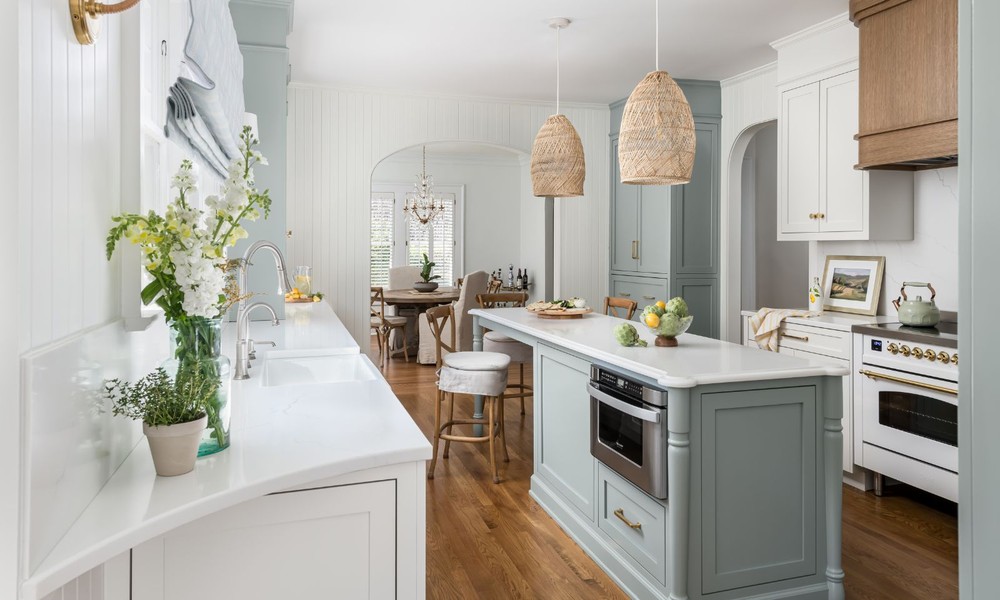
A kitchen countertop can be the defining element in a space where both form and function matter. Whether you are planning a full remodel or just sprucing up an outdated surface, the right countertop transforms daily routines into an experience that feels tailored to your lifestyle. But what factors should actually guide your selection among the sea of available materials and finishes?
Understanding Different Kitchen Countertop Materials
The material you choose sets the tone for your kitchen, impacting not only its visual appeal but also its durability and ease of maintenance.
Natural Stones: Granite and Marble
Granite countertops have earned their place as a timeless favorite for their resilience against heat and scratches. Each slab is unique, offering depth and natural texture. Marble, by contrast, is revered for its elegance and classic veining, making it a statement piece. However, marble is more porous, so it can stain or etch if spilled liquids aren’t wiped up promptly.
Engineered Stones: Quartz and Quartzite
Quartz has become popular for homeowners seeking the appearance of stone without the high maintenance requirements. It is engineered from ground quartz combined with resin, resulting in a surface that is highly resistant to stains and does not require sealing. Quartzite, a natural stone, boasts similar looks but is harder and more durable than marble, though it may need occasional sealing.
Alternative Materials: Laminate, Solid Surface, and Wood
Laminate offers an affordable and versatile option with countless color and pattern possibilities, though it doesn’t provide the same level of durability as stone. Solid surface materials can mimic the look of stone and allow for seamless integration of sinks, making cleanup a breeze. Wood countertops, while warm and inviting, require regular sealing to guard against moisture and bacteria.
Pros and Cons of Each Material Type
Here’s a quick comparison for easy reference:
| Material | Pros | Cons |
|————|———————————|——————————-|
| Marble | Elegant, natural patterns | Prone to staining, costly |
| Quartz | Low maintenance, non-porous | Can be pricey, not heatproof |
| Laminate | Budget-friendly, versatile | Susceptible to scratches |
| Wood | Warm look, can be refinished | Requires regular sealing |
Essential Factors in Countertop Selection
Not all kitchens are used the same way, and your choice should reflect your lifestyle as much as your style preferences.
Durability and Resistance to Wear
Consider how much abuse your kitchen countertop will face. If you do a lot of chopping, baking, or cooking with hot pans, surfaces like granite and quartz will stand up to the challenge. Families with young children or those who entertain frequently may want to steer clear of softer stones or wood.
Maintenance and Cleaning Requirements
Some materials are more forgiving than others. Quartz is notably easy to maintain, requiring just a wipe-down with soap and water. Granite and marble, however, need periodic sealing to prevent stains. Wood demands regular oiling, and laminates, while easy to clean, can be difficult to repair if damaged.
Aesthetic Appeal and Design Compatibility
The countertop serves as a canvas for your kitchen’s entire design concept. Sleek quartz might suit a contemporary remodel, while marble fits a classic or European-inspired space. If you love rustic charm, butcher block or reclaimed wood can add warmth, but remember the practical implications.
Budget Considerations and Long-Term Value
Prices for countertops can vary dramatically. Laminate may fit a tight budget, while high-end granite or quartzite can be a significant investment. Factor in not just the upfront cost, but also the lifespan and maintenance expenses over time. Sometimes, spending a bit more initially saves money and hassle in the long run.
Functional Needs Based on Kitchen Usage
The way you use your kitchen should dictate your priorities.
Cooking Frequency and Heat Resistance
Avid cooks lean toward materials like granite, which not only stands up to hot pots but also resists knife scratches. Quartz is durable, but direct heat can damage it, so trivets are a must.
Stain and Scratch Resistance for Busy Kitchens
Quartz and granite both offer impressive resistance to stains and scratches. Marble, while luxurious, may show wear faster if subjected to heavy, daily use.
Hygiene and Food Safety Concerns
Non-porous surfaces like quartz and solid surface options inhibit bacteria growth, which is important if food safety is top of mind. Wood is naturally antimicrobial but needs frequent cleaning and oiling to stay safe.
Suitability for Different Kitchen Styles and Layouts
A sprawling island might look best in a dramatic stone, while a compact kitchen could benefit from the lighter, more uniform look of quartz or laminate. Factor in not just the look but also how the material will function in your available space.
Installation and Aftercare Insights
Choosing the right material is just the first step. The process that follows is equally important.
Importance of Professional Fabrication and Installation
Precision is everything. Experienced fabricators, such as those found at a magasin comptoir de cuisine Casa Granite, can ensure your countertop fits perfectly and is installed to industry standards. This not only maximizes the beauty of the material but also helps prevent costly errors.
Customization Options and Measuring Accuracy
Each kitchen is unique. Custom edges, cutouts for sinks or cooktops, and special finishes make your counter functional and beautiful. Accurate measuring and templating are essential to a flawless result.
Warranty, Longevity, and Repairability
Ask about warranties, especially for engineered stones. Some materials can be repaired or resurfaced if damaged; others may need complete replacement. Factor in the long-term implications before making your choice.
Environmental Impact and Sustainability Factors
If sustainability is important to you, look for responsibly sourced stone or recycled materials. Some engineered surfaces use recycled content or are made with low-emission resins, while wood can be sourced from renewable forests.
In the end, your kitchen countertop should reflect how you live, how you cook, and what makes your space feel like home. By weighing these factors carefully, you’ll create a kitchen that balances beauty with everyday practicality.