

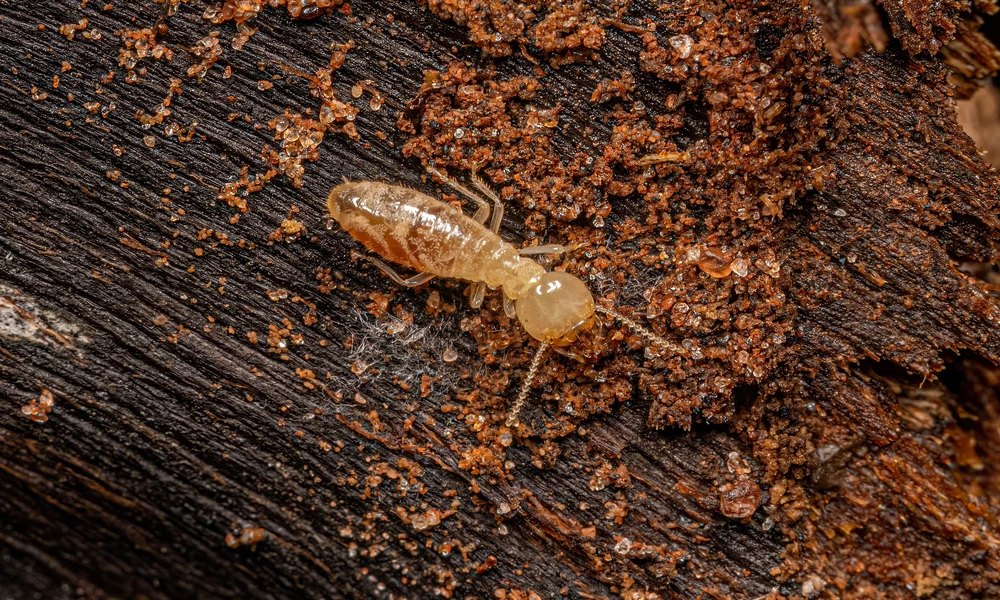
Many Central Florida homes are built on slab foundations surrounded by soil that rarely stays dry for long, thanks to a rainy season that runs roughly from May through October and humidity that lingers beyond it. Those conditions create a favorable environment for subterranean termites, which are the main species targeted by avatapest.com/termites services throughout Central Florida. These termites depend on moist soil to survive and often move through damp areas until they find a route into a home’s foundation.
Why Termites Stay Active Through Florida’s Mild Winters
Subterranean termites in cooler states slow down or go dormant once soil temperatures drop for the winter. Central Florida’s mild winters rarely give termite colonies a reason to stop foraging. Soil temperatures stay warm through most of the year, and rainfall paired with humidity keeps the ground near the surface damp for extended periods.
- Soil moisture near foundations. Sprinkler systems and downspouts keep the soil around a foundation’s edge damp enough to support foraging long after a rain event has passed.
- A longer working season. Warm nights keep colonies active through stretches of the year that would slow activity to a crawl somewhere with a hard freeze.
- Fast establishment after a swarm. Young reproductives that leave a colony typically land in soil that’s already warm and moist, giving a young colony a better chance to establish itself soon after swarming.
Why Formosan Termites Create a Different Level of Risk
Two subterranean termite species account for much of the activity found around Central Florida homes: Eastern subterranean termites and Formosan termites. Eastern subterranean termites swarm during daylight hours from November through May. Formosan termites differ in colony size, swarming behavior, and how they move through soil, which can change the signs inspectors find around a property.
- Colony size. A mature colony can contain millions of termites. A queen may produce as many as 3,000 eggs a day, supporting the large worker population needed to maintain the colony.
- Swarm timing. Formosan swarmers show up between April and July, usually at dusk, when a lit porch or window can attract them near the structure during swarm season.
- Underground reach. Formosan colonies can spread well beyond a single entry point below the soil. That wider movement gives termites more opportunities to reach a structure through hidden paths around the foundation.
Many of those paths are outside the areas homeowners usually check, which is why early termite activity can be easy to miss.
How Termites Damage Wood Without Obvious Signs
Subterranean termites often feed inside the wood rather than across the exposed surface. A porch support, fence post, or other wood feature near the ground may not show visible problems even while termites are feeding within it. Mud tubes, the pencil-thin channels termites build to travel between soil and wood while staying protected from open air, often appear along foundation piers, expansion joints, and plumbing penetrations where inspectors commonly find early signs of activity.
Avata’s Termite Protection Program combines perimeter bait stations with liquid treatments applied around the foundation, including beneath paved areas where termites can otherwise move without visible signs of activity. The yearly inspection included in that program lets technicians look for early signs of activity, including fresh mud tubes or changes in bait station activity, while the problem is still localized.
The Signs a Yearly Inspection Can Reveal
A yearly visit gives technicians a chance to look for the signs that appear between swarm seasons, when early activity may still be limited to a few areas around the property.
- Fresh mud tubes. New tubes along the foundation or expansion joints can show active termite movement, even before visible wood damage appears.
- Swarmer evidence. After a termite swarm, the wings are usually what remains. They often collect near windows, doors, and outdoor lights where the swarmers were drawn.
- Hidden wood damage. Some of the most difficult damage to spot is inside wood close to the ground. Porch posts, deck supports, and door frames may still look normal even after termites have started feeding within them.
- Bait station activity. Changes inside monitoring stations can show where termite pressure is increasing and whether certain areas of the property need closer attention.
In Central Florida, a lot can happen around a foundation in the space of a year. A yearly inspection gives homeowners a chance to find termite activity early, before it becomes a larger repair concern.