

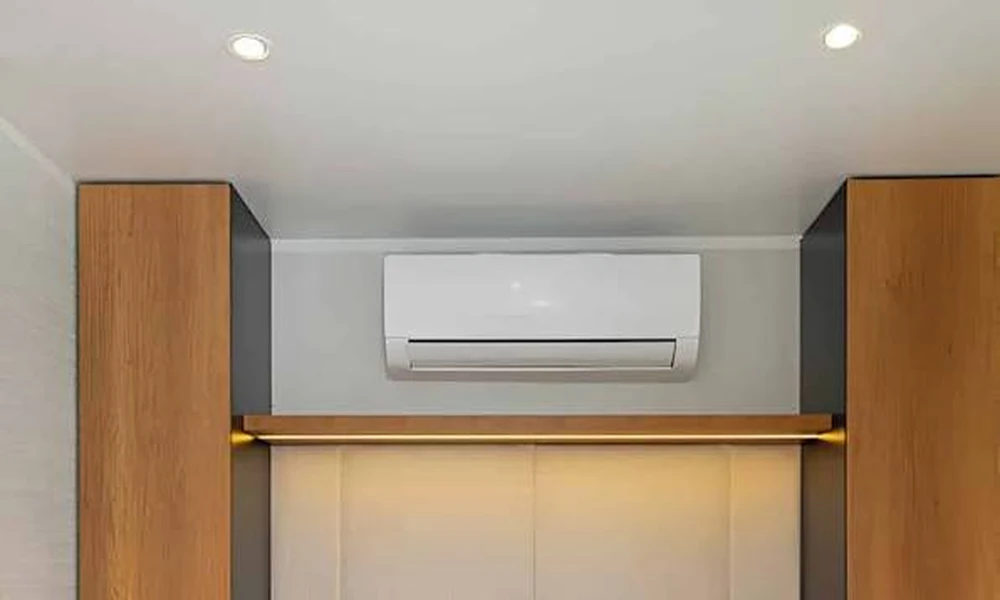
Some rooms never seem to get comfortable. The bonus room over the garage is always too warm in summer, the converted sunroom is too chilly in winter, and the addition at the back of the house was never connected to the main ductwork. For rooms like these, a ductless mini split is often one of the first options a contractor suggests.
Heating and cooling businesses such as MTN Air of North GA list mini split installation and repair among their services, so it is a topic worth understanding before an estimate arrives. Here is a plain-language look at what these systems do well and where they may not be the best fit.
A Different Way to Move Heat
ENERGY STAR explains the basics on its ductless heating and cooling page. An outdoor unit uses refrigerant to move heat to one or more indoor head units, and the system runs in reverse for cooling. The page says the outside unit extracts heat from the air, even when it is cold. Because the equipment moves heat and does not burn fuel, there are no combustion emissions and no fuel to store.
Where Ductless Makes Sense
The page says mini splits suit homes without ductwork, additions, outbuildings, and rooms with hot or cold spots. They are also described as an alternative to radiator or baseboard heat and a replacement for window units. Those are exactly the situations where running new ducts would be expensive or disruptive.
When Ducts Already Exist
The same page offers a useful caution. If a home already has ductwork, it suggests considering a ducted air-source heat pump instead. A mini split can be the right answer for a room, but it is not automatically the best answer for a whole house that already has a duct system in place.
One Indoor Unit or Several
Homes can use one indoor head unit or several, mounted on an interior wall or ceiling. The page reminds readers that heat rises and cool air sinks when deciding which rooms one unit can serve. A single unit in an open area may do the job. A closed-off bedroom down a hallway may need its own.
Size It Before You Buy It
According to the page, an improperly sized system will struggle, and a contractor should verify sizing using a Manual J calculation. That echoes a theme in good HVAC work generally: the right size depends on the home’s actual needs, not on guesswork or square footage alone.
What Happens on a Cold Morning
The page says ENERGY STAR cold-climate models are tested down to 5 degrees Fahrenheit and keep working below that, though a backup heat source is most efficient at very low temperatures. In a mild-winter area, that testing threshold is a margin of safety, but it is still worth asking how the system will perform on the coldest nights.
Placement and Everyday Habits
For installation, the page suggests keeping the outdoor unit away from doors and windows and making sure airflow is unobstructed. For daily use, it recommends running the unit in heat or cool mode instead of Auto, avoiding large setbacks because heat pumps do not save energy that way, and cleaning filters regularly.
About the Company Behind the Link
The website at the linked address says the company is based in Buford, Georgia, and serves north metro Atlanta. Its listed services include heating repair, furnace installation, heat pump services, AC repair, replacement, installation and maintenance, mini split installation and repair, commercial HVAC, indoor air quality, emergency service, maintenance plans and financing, along with a 5 percent military discount. The site says it has served north metro Atlanta since 2004. It also mentions 37 years in north Georgia, which does not match, so the article uses only the 2004 figure. It lists Nest Pro certification but no state license number and no warranty terms.