

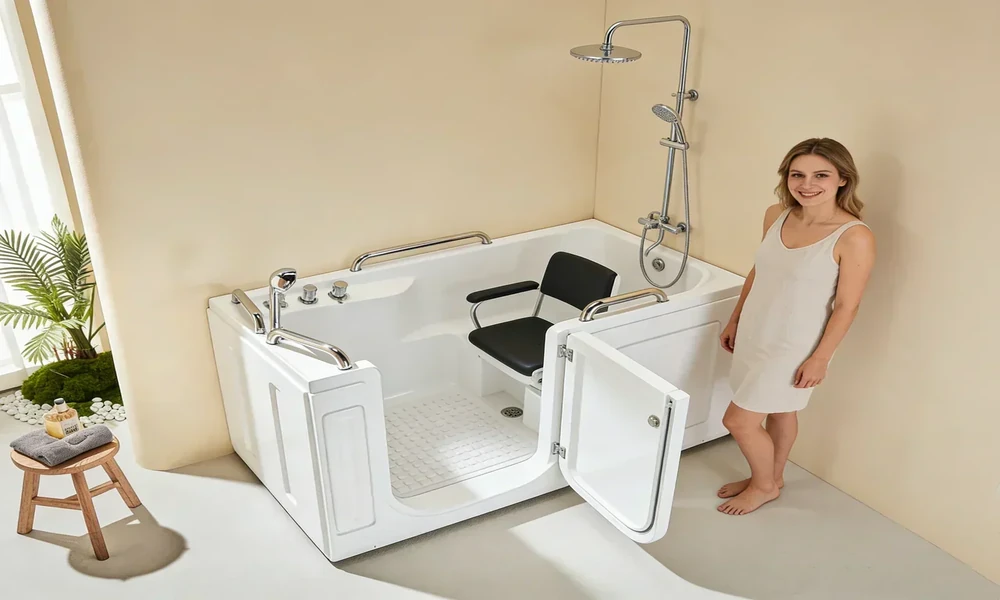
Tub-to-shower conversions now rank among the most requested bathroom projects across the Phoenix metro. Some owners never bathe, others plan to age in place, and many buyers expect a walk-in shower in the primary suite. The appeal is easy to understand. The execution is harder, because almost every choice in a conversion buys one benefit by surrendering another. Seeing those exchanges side by side before demolition starts is the most reliable way to end up with a shower that matches how a household actually lives.
Homeowners in Scottsdale, Paradise Valley, Glendale and Peoria who want those decisions handled by one accountable team can turn to XLT Construction Inc., a licensed Arizona contractor that has been remodeling Valley bathrooms since 2005. Its crews take a conversion from tub removal and plumbing changes through tile, glass and quartz details, and clients can work with the team in English or Spanish. Booking an in-home walkthrough and a line-by-line written quote is a good way to see which trades make sense in your specific bathroom before a single tile is ordered.
Getting In: Threshold Against Concrete
Curbless entry. The bathroom floor runs flat into the shower, so there is nothing to step over. It suits walkers and wheelchairs and makes a small bath feel bigger. The price is concrete work. Most Valley homes sit on slab-on-grade foundations, and many built since the 1980s use post-tensioned slabs with steel tendons stretched under heavy tension. Recessing the floor to create drain slope means saw-cutting that slab, and a responsible crew scans for tendons before any blade touches it.
Low-curb entry. A curb of two or three inches leaves the slab alone. It is faster, cheaper and still far easier to cross than a tub wall, especially when capped with a slim quartz threshold. The trade is that a step remains, which matters for anyone with balance concerns. That step matters more than it seems. The National Library of Medicine’s bathroom safety guidance for older adults points out that the bathroom is one of the places in the home where falls happen most often.
Clear Glass Against Hard Water
Frameless glass enclosure. Heavy glass with minimal hardware is the look most people picture, and it keeps every inch of tile visible. Code requires tempered safety glazing here, which any proper enclosure already meets. The real cost in this region is upkeep. Valley water carries a lot of calcium and magnesium, and the University of Arizona’s consumer guide to Arizona water sources and home treatment is a useful primer on what is in that water and how home treatment options compare. That scale shows up as white haze on glass within days unless someone squeegees after every shower, orders factory-coated glass, or runs a softener.
Walk-in with a fixed panel. A single stationary panel with an open end means less glass to clean and no door hardware to fail. The trade is space and warmth. Without a door, the shower generally needs more length so spray stays inside, and on a 40 degree January morning in north Scottsdale, an open entry lets warm steam escape quickly.
Seamless Walls Against Easy Repairs
Large-format porcelain or quartz panels. Big slabs mean very few grout lines, which leaves fewer places for mineral deposits and soap film to cling. They look current, especially in warm whites, soft stone tones and matte finishes, which hide water spots far better than polished dark surfaces. The downside is weight, cost and fabrication, and a cracked slab is a much bigger repair than a single broken tile.
Smaller tile and mosaics. These cost less, conform easily to floor slope and offer better grip underfoot thanks to the extra grout joints. The trade is maintenance, since more grout means more sealing and more scrubbing in hard water.
Plumbing Choices Against Permit Scope
Linear drain. A long channel drain lets the floor slope in one direction, which pairs naturally with large tiles and curbless entries. It costs more and demands precise slope work.
Center drain. The familiar square drain needs a four-way slope and smaller floor tiles, but it is cheaper and usually reuses the existing drain location.
Valve placement brings its own exchange. Moving controls near the entry lets you start the water without getting soaked, and a thermostatic valve with a handheld on a slide bar is now a common upgrade for mixed-age households. Relocating fixtures, though, generally turns a cosmetic job into a permitted plumbing alteration. In Scottsdale, a residential permit that lists no licensed contractor also requires the owner to sign an owner-builder declaration, which shifts responsibility onto the homeowner.
| Decision | What you gain | What you give up | Valley factor |
|---|---|---|---|
| Curbless entry | Step-free access, open look | Slab cutting and higher cost | Post-tensioned slabs need scanning first |
| Frameless glass | Clean sightlines | Daily squeegee or coated glass | Hard water scale builds fast |
| Large slab walls | Few grout lines | Heavier, costlier repairs | Fewer joints for mineral buildup |
| Linear drain | Single slope, big floor tiles | Price and precision | Works best with curbless designs |
| Relocated valve | Dry hand to start water | Permit and longer schedule | City inspection of rough plumbing |
Daily Comfort Against Future Buyers
Removing the only tub in a house is the trade owners debate most. Families with young children and some buyers still want somewhere to bathe a toddler or soak sore muscles after a desert hike. The common compromise in Valley homes is converting the primary bath tub into a large walk-in shower while keeping a tub in a hall or secondary bath. Owners staying for decades often skip that compromise and put the space toward a bench and deep niches.
Ventilation Against Desert Assumptions
Dry air convinces some owners that a shower without a tub needs little ventilation. It does not work that way. A larger shower produces more steam, and the summer monsoon pushes indoor humidity up just when the air conditioning is working hardest. The exhaust fan should be sized for the room and ducted to the outside, never dumped into an attic that bakes well past outdoor temperatures in July. Skipping it trades small savings now for peeling paint and mildew later.
Ranking the Trades
No conversion gets every benefit at once. The most useful exercise is deciding which three matter most to the people using the room: easy entry, low maintenance, resale flexibility, budget or schedule. Once those priorities are clear, the rest of the choices tend to sort themselves, and the finished shower reflects deliberate exchanges rather than surprises discovered halfway through the job.