

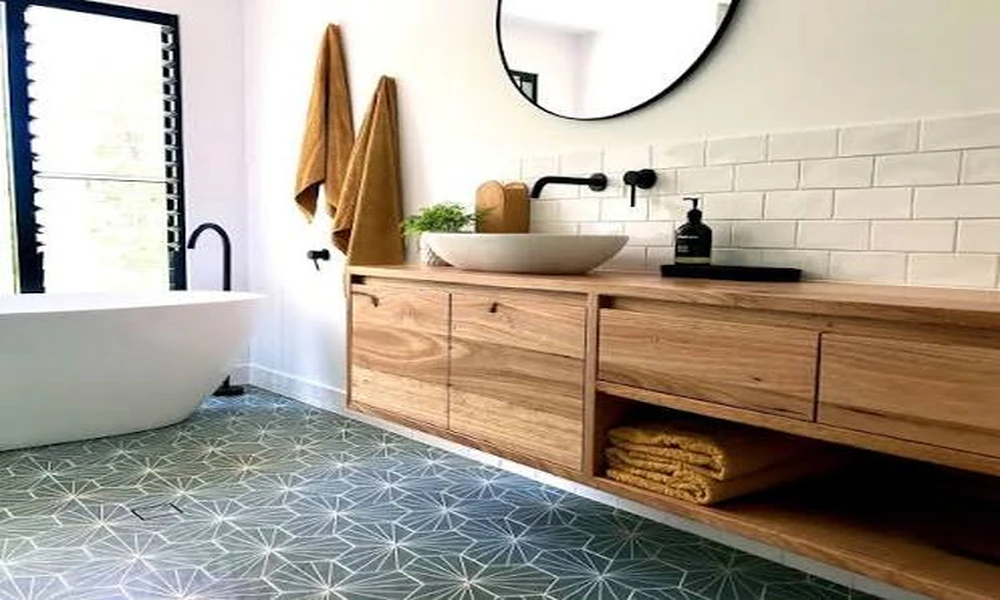
A well-planned washroom can make daily routines easier while adding a fresh look to the home. Choosing suitable furniture helps improve storage, organise personal items, and create a neat appearance. A bathroom vanity unit offers a practical way to combine a washbasin with useful storage. Different shapes, finishes, and sizes allow homeowners to match their preferred style. Careful planning also helps prevent clutter, makes cleaning simpler, and ensures every corner serves a clear purpose without making the room feel crowded.
Choosing Furniture That Fits Available Space
Compact furniture works well in smaller rooms where floor space matters. Measure the wall and walking area before selecting a suitable design.
Selecting Colours That Create Visual Balance
Light shades can make interiors appear brighter, while darker finishes add contrast. Choose colours that match wall surfaces and existing fittings.
Adding Storage For Daily Essentials
Drawers and shelves help keep personal items organised. Separate storage areas make frequently used products easier to reach during morning routines.
Exploring Wall Mounted Furniture Options
Wall-mounted designs leave more floor space visible. This arrangement can simplify sweeping and create a cleaner appearance in compact washrooms.
Using Natural Finishes For Lasting Appeal
Wood-inspired finishes bring warmth to plain interiors. Select moisture-resistant materials that maintain their appearance despite regular exposure to humidity.
Improving Lighting Around The Washbasin
Good lighting supports everyday grooming tasks. Place suitable lights near the mirror to reduce shadows and improve visibility during regular use.
Matching Mirrors With Furniture Designs
A well-sized mirror creates visual balance above the basin. Frameless options suit simple interiors, while framed styles add a distinct decorative touch.
Creating Better Organisation With Smart Drawers
Thoughtful storage arrangements prevent everyday items from gathering around the sink. Adjustable dividers help separate small accessories from larger containers. Soft-closing drawers also reduce noise while protecting the furniture from sudden impacts.
Choosing Durable Materials For Wet Areas
Moisture can affect furniture when protective layers wear away. Compare available materials carefully before making a purchase. Strong construction helps maintain stability and reduces the need for frequent repairs.
Useful material choices include:
– Moisture-resistant boards for regular household use.
– Ceramic surfaces for simple cleaning.
– Solid timber with suitable protective coating.
– Strong handles that resist everyday wear.
– Quality hinges designed for repeated opening.
Adding Decorative Details Without Creating Clutter
Small details can improve the overall appearance without taking attention away from essential features. Keep decorative choices limited to a few useful accents. Matching accessories can connect different finishes and create a consistent visual style.
Consider these simple additions:
– A framed mirror for extra character.
– A small tray for daily essentials.
– Matching containers for personal care products.
– Subtle cabinet handles for added detail.
– A simple wall shelf for light items.
Making Small Rooms Feel More Spacious
Limited floor space requires careful planning. A bathroom vanity unit with a narrow profile can provide storage without blocking movement. Floating furniture, large mirrors, and light coloured surfaces help create an open appearance. Avoid oversized cabinets that restrict access to other fittings. Keeping the floor clear also makes the room easier to maintain and improves the overall sense of space.
Maintaining Clean Surfaces With Simple Habits
Regular care helps preserve the finish and prevents dirt from building up. Use gentle cleaning products recommended for the chosen material. Wipe away standing water and dry damp surfaces when needed. Avoid rough scrubbers that may leave scratches. Inspect cabinet edges occasionally to identify signs of moisture damage before repairs become more difficult.
Successful planning begins with accurate measurements, sensible storage choices, and materials suited to damp conditions. Compare several designs before selecting furniture that fits the available area. Give priority to easy cleaning, sturdy construction, and convenient access to daily essentials. These steps help create an orderly washroom that remains useful over time. A balanced selection can refresh the interior while making routine tasks simpler for everyone in the household.