

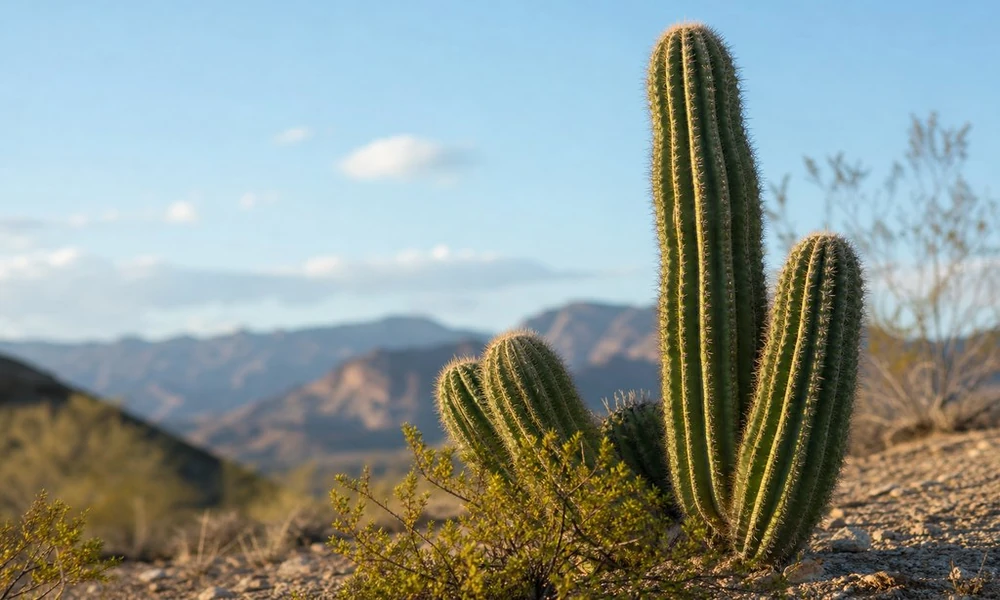
Cacti growing in an arid landscape
Many cacti grow slowly and have limited reproductive success. Removing them could potentially disturb the ecosystem.
It could be tempting to just uproot any cacti that are in the way or are negatively impacting your landscaping goals. Maybe the cactus is blocking your driveway or has grown too close to the sidewalk, or you’re planning a hardscape project and need the area to be clear. Whatever the case, removing a cactus isn’t always as simple as digging it up and taking it away. Depending on the species of cactus and where you live, that seemingly out-of-place cactus may be a protected species.
Cacti and other plants may be protected by the law for a variety of reasons, including:
- Endangered, threatened, or otherwise rare species
- Limited native range
- At-risk from removal for ornamental purposes and potential illegal resale
- Integral part of a protected ecosystem
- Slow-growing and/or difficult to propagate
It’s also important to keep in mind that some protected cacti may not seem protected at all! Some may resemble other, very common ornamental cacti, and juvenile specimens, stressed or damaged plants, and cacti that have been transplanted may not be immediately recognizable.
Cacti can offer food, cover, nesting sites, shade, and water to a host of animals, and may be especially important during times when other resources are scarce.
Removing a cactus, particularly a mature specimen in an arid region where cacti establishment can be difficult, can have a potentially negative impact on the local ecosystem.
Private Property Does Not Override Cactus Protections
- Damaging or cutting a protected cactus
- Selling, bartering, transporting, or otherwise moving possession of a protected cactus
- Transplanting a protected cactus (even if the cactus survives the move!)
- Removing cuttings, seed, fruit, or flowers from a protected cactus
- Clearing land in an area where protected cacti are known to exist
Species Risk Depends on Location and Provenance
- Unidentified cacti
- Slow-growing cacti
- Globular cacti
- Rare or endangered columnar cacti
- Cacti with a limited natural range
- Cacti known to be targeted for illegal collection
When in doubt, it’s probably best to leave the cactus where it is. While some cultivated cacti are exempt from certain restrictions, an uncertain provenance may make it difficult to prove that a cactus was cultivated rather than wild-collected, a distinction discussed in https://nature.com/articles/nplants2015142. An aged cactus that’s been in the same location for years is probably not going to be easy to move legally, no matter how common a species it may be. On the other hand, if you purchased your cactus from a nursery it may be relatively easy to prove its legitimacy.
Identify the Cactus Before Disturbing It
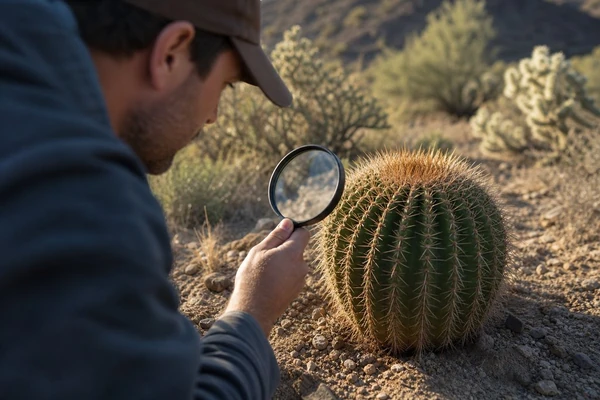
Different varieties of cactus plants
To start, thoroughly document the cactus in its existing location with photos of the whole plant, the stems, spines, habitat, and flowers (if the cactus is in bloom). Note any clues that may indicate that the cactus was intentionally planted, such as evidence of a manicured landscape. A confirmed identification may clarify which restrictions apply, while those still identifying the cactus can read more here for a species-focused legal overview.
Permits and Records Define a Legal Removal
In some cases, a protected cactus may still be able to be relocated with a permit. Permits to relocate or remove protected cacti may be granted for a variety of reasons, including construction on an approved project, an imminent threat to human safety, preexisting damage to the cactus, or habitat disturbance.
Your permit may also stipulate exactly how the cactus can be removed, by whom, where it can be taken, how it should be transported, and whether or not it needs to be replanted or surrendered to an authorized individual. Don’t take chances with removing protected cacti – even seemingly well-intentioned efforts to save or relocate a protected cactus without a permit can get you in trouble!
Of course, if your cactus is growing in a well-maintained container and you can prove that it was purchased from a nursery, chances are pretty good that it’s not protected. That said, it’s probably still a good idea to try and identify the cactus before carting it off-site!
Avoid Removal and Documentation Mistakes
Some common cactus removal mistakes include:
- Hiring someone to remove the cactus simply because they advertise vegetation removal. Removing, relocating, or salvaging cacti can be a specialty service! Improper cactus removal may result in unnecessary damage to the cactus or moving a protected cactus without proper authorization.
- Assuming that once a protected cactus has been removed it can be treated as yard waste. Some materials, like seed pods, stems, and root balls, may still be considered protected even after they’ve been removed from the parent plant! Check with local authorities before transporting, bartering, or disposing of any cactus materials.
- Not keeping copies of documentation related to the removal, including photos, ID, permits, and instructions from permitting agencies. If your actions are ever questioned in the future, it pays to be able to prove that you acted responsibly!
TL;DR: If you’re planning to remove a cactus from your property, hold off on your plans until you can definitively identify the species and confirm whether or not it’s protected. If it is protected, see if a permit is available before proceeding any further with your project!