

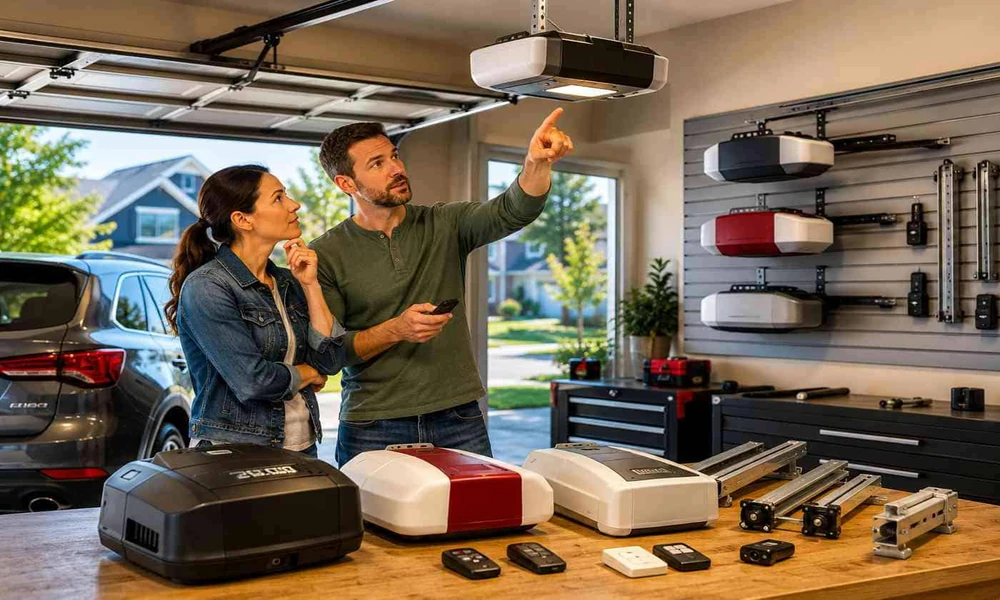
Rushing out the door on a rainy morning only to find your garage opener stubbornly unresponsive is the type of frustration no homeowner wants to relive. Modern automated garage door openers promise not just convenience, but also safety, security, and peace of mind. However, choosing the right one is rarely as simple as picking the first model you see. The best opener for you will depend on your garage’s needs, your budget, and your appetite for smart-home features.
Key Types of Automated Garage Door Openers
Four main garage door opener mechanisms dominate the market. Each comes with its unique benefits and drawbacks:
Chain-Drive Openers: Reliability vs. Noise Levels
If strength and durability top your list, chain-drive models are hard to beat. They use a sturdy metal chain to move the door and are well-suited for heavy or oversized garage doors. However, the tradeoff is noise. These units tend to generate significant sound and vibration, making them less ideal for garages attached to living spaces.
Belt-Drive Openers: Smooth Operation and Durability
Belt-drive openers swap the metal chain for a reinforced rubber belt. This results in much quieter operation, making them a favorite for homes where the garage is adjacent to a bedroom or living room. They’re also quite durable, although they command a slightly higher price.
Screw-Drive Openers: Maintenance Needs and Performance
Screw-drive systems rely on a threaded steel rod to lift and lower the door. They’re faster than both chain and belt drives, with fewer moving parts to maintain. However, their performance can suffer in extreme climate conditions, and periodic lubrication is needed to keep things running smoothly.
Direct-Drive Openers: Innovation and Longevity
Direct-drive units feature a single moving part: the motor itself. This design minimizes noise and maximizes longevity. While direct-drive openers are typically pricier upfront, they offer exceptional reliability and minimal maintenance.
| Opener Type | Noise Level | Durability | Maintenance | Price Range |
|——————|————|————|————-|————-|
| Chain-Drive | High | High | Moderate | $ |
| Belt-Drive | Low | High | Low | $$ |
| Screw-Drive | Medium | Medium | Moderate | $$ |
| Direct-Drive | Very Low | Very High | Very Low | $$$ |
Motor Power and Performance Considerations
A garage door opener’s horsepower rating isn’t just a spec to gloss over. Residential openers typically range from 0.5 to 1.25 horsepower. Lighter, single-door garages are well-served by 0.5 HP models, while heavier or double doors may require 0.75 HP or more.
Don’t assume more power always means better performance. Excessively powerful motors can lift doors quickly but might create unnecessary wear or safety risks. Energy-efficient models can cut electricity usage without sacrificing strength. Look for certifications or energy-saving modes if sustainability is important to you.
Control and Connectivity Options
Garage openers have come a long way from the days of a simple clicker. While traditional remote controls remain reliable, many systems now offer smartphone integration, letting you open or monitor your garage from anywhere. Compatibility with smart home assistants like Alexa or Google Assistant adds voice control and automation options.
Security is front and center in the latest models. Rolling-code technology, encrypted signals, and even biometric fingerprint access are available on some high-end systems. These features help prevent code grabbing and unauthorized entry, so only you and those you trust have access.
Safety Features and Compliance Standards
Any reputable garage door opener must include sensors that stop or reverse the door if an object or person is detected in its path. Modern photo-eye sensors and automatic reversal mechanisms are now standard, offering protection for children, pets, and vehicles.
Manual release features are essential in emergencies, such as power outages. Moreover, certain regions require adherence to specific safety codes, so it’s wise to check that your chosen model complies with local and national standards before installation.
Installation and Maintenance: DIY vs. Professional Services
Some homeowners relish the challenge of a DIY install, especially with simpler chain or belt-drive openers. Others prefer the assurance of a certified technician, which can be especially wise for more complex systems or commercial applications. Regular maintenance, including lubricating moving parts and checking safety mechanisms, is crucial for longevity and safe operation.
When problems go beyond routine troubleshooting, professionals like Door Doctor can diagnose and repair issues quickly, minimizing downtime and further damage.
Noise Levels and Environmental Impact
Noise can make or break your satisfaction with an opener. Belt and direct-drive models are the quietest choices, while chain and screw drives are louder. If your garage is beneath a bedroom, opting for a quieter mechanism or additional insulation can make a world of difference. Energy-efficient openers not only save electricity, but also reduce your home’s carbon footprint.
Additional Features and Accessories
The best openers now offer battery backups, ensuring your garage can be accessed even during a power outage. Integrated LED lighting and motion sensors improve visibility and security. Customizable settings, like automatic closing timers and vacation mode, add convenience and peace of mind.
Cost Analysis and Warranty Considerations
While it’s tempting to focus on upfront cost, the real value often lies in longevity, reliability, and warranty coverage. Some brands offer longer guarantees and more responsive customer support. Comparing options side-by-side, including factors like warranty terms and dealer reputation, can highlight which investment best suits your needs in the long run.
Selecting an automated garage door opener is more than a matter of convenience. With so many features and options available, taking the time to weigh your needs and research thoroughly can turn an everyday device into a true asset for your home.