

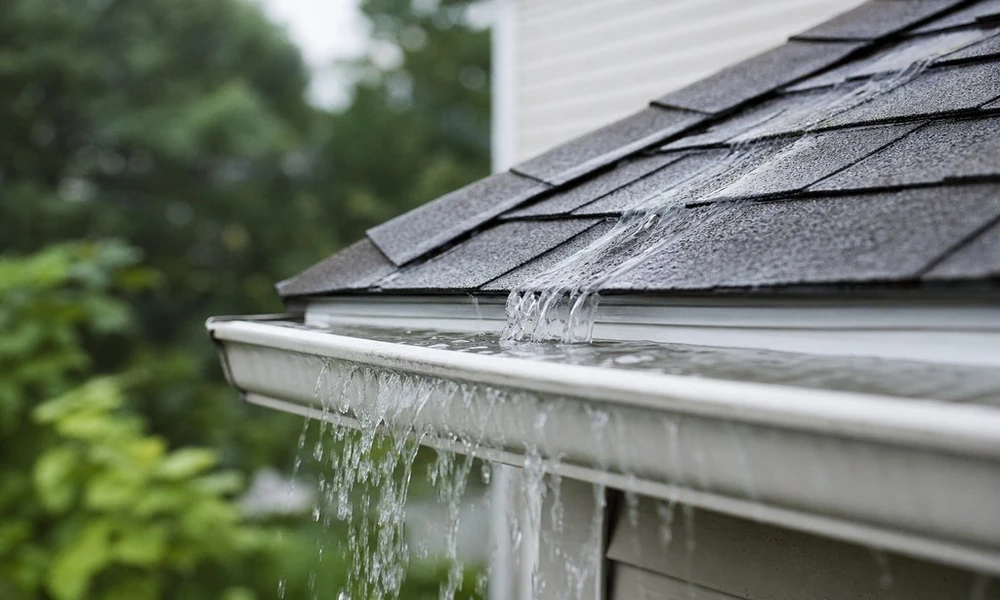
Roof materials and water damage
Have you recently repaired a leak only to find a new water stain appearing again in the ceiling? Leaks can be tricky to diagnose, particularly if the problem area was patched rather than replaced and repaired properly. The leak can reoccur at the same spot or it can appear in a new place.
Start with what the rain is telling you
- Locations and pictures of new ceiling stains
- Attic pictures of wet insulation or drywall
- A description of the weather conditions, was it a steady downpour? Leaks that occur during long stretches of rain could indicate saturated or damaged materials in the roof, or possibly plugged gutters or valleys that cause the water to backup and flow somewhere it normally wouldn’t. Leaks that only happen when there’s wind-driven rain can point to a problem at flashing, transitions to the walls, or exposed or unprotected roof edges that can allow the wind-driven rain to blow underneath the materials and into the roof structure.
- Leaking during or right after rain? That would indicate an active source of leaking. Leaking after the rain stops? That would indicate that there could be water trapped in the roof structure, insulation and wood framing can absorb a surprising amount of water. That water will eventually work it’s way out. Leaking when it’s not even raining? Ice and snow can cause leaking, as discussed here as well, usually indicating plugged drains or ice damming at the edges.
- Which rooms the stains are in
- Duration of the rain, Leaks can sometimes be attributed to poor drainage in the roof system. Clogged valleys or plugged gutters can cause water to flow where it normally wouldn’t. Also, a tiny hole in some flashing can sometimes cause more leaking problems than a missing shingle in an exposed field of the roof.
- Date of leak/stain
- Direction of wind, Wind driven rain can sneak under lifted shingles, blow under edges of flashing or sneak through the joints in siding more readily than other exterior materials.
What might the first repair have missed?
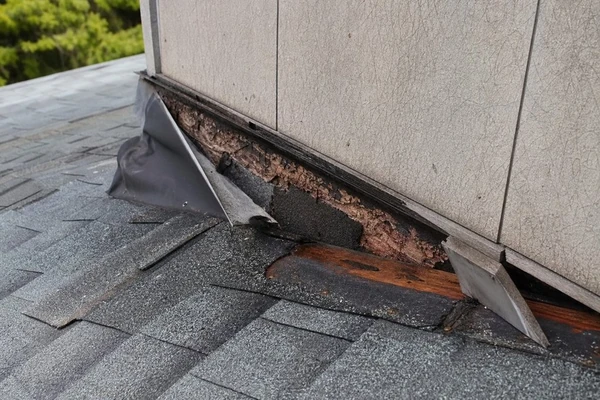
Roof flashing and repair materials
The key to remembering is that a roofing system is a water-shedding, draining system and not just the material on the very top. Underlayments, flashing, adhesives, sealants and nails all play important roles in how well it performs. Sometimes after a roof repair, the roofer focused too intently on the shingle/slated/tile/tabbed area where the leak entered but did not closely examine the entire roofing system closely enough for other potential trouble areas. For a focused reference, diagnosing recurring roof leaks after a repair in Austin is the page that matches this. Some possibilities:
- Compatibility issues, New materials may not always marry well with other aged or brittle roofing materials, or possibly different roofing materials altogether. If shingles were patched during the repair, was it with matching shingles? Ideally, they should be saved during initial installation for use during repairs later. Some shingles interlock or lay together in specific ways. Using other similar-looking shingles may not lay together in exactly the same manner which could potentially lead to leaking.
- Application issues, Did the roofer inadvertently nail in the wrong place or overlook some other detail that would make the repair vulnerable to leaking? Was adhesive/sealant used where necessary? Did he wait the required amount of time before exposing the adhesive/sealant to rain?
- Existing damage issues, Sometimes a missing/damaged shingle could be masking other damage under it, torn underlayment, deteriorated decking, cracked/poorly-lapped/damaged flashing, deteriorated pipe boots or vent flashings, etc. A quick once-over of the rest of the roof or an inadequate repair job could result in missing these items.
- Application on dirty/wet surfaces, Sealants, adhesives and flashing need to be applied on dry, clean surfaces for best results. If any of those conditions wasn’t followed, it could cause a vulnerable area in the repair.
- Other areas of the house, Leaking can sometimes sneak in through mortar joints in chimneys, at siding materials or transitions to windows or walls. The attic vents could also be leaking. Check under those vents during wet weather to make sure they’re dry.
- Other sources of water in attic, Plumbing vents or lines can malfunction in the attic and cause dripping. So can HVAC equipment. Sometimes condensation in the attic (bookmark noaa.gov/jetstream/dew-point-temperature if you want the longer version) can form from poor ventilation in the attic or cold spots in the attic where warm humid air contacts the cold roof sheathing/decking causing condensation to form which can then mimic leaking.
If the previous repair looks okay, your roofer should explore those other possibilities during the reinspection. If he finds wet sheathing/decking in the attic near the repair location, he may discover some tell tale signs where the water entered, staining on the wood, water trails or rusty nails in certain locations, spongy-feeling decking or other possible indicators. A moisture meter may also come in handy at this time to detect damp sheathing.
Ask your roofer where he thinks the water is sneaking in, if he feels the surrounding materials are still in good enough shape to patch again and what he’ll be looking for the next time it rains to make sure the leak was corrected this time before authorizing additional repair work.