

For a facilities manager, a roof leak is rarely a technical problem first. It is a stock problem, a tenant problem or an insurance problem, and it usually arrives at the worst possible time. That is why the decision to install or replace a torch on waterproofing membrane deserves to be treated like any other capital purchase: with a clear view of cost over time, disruption to operations, risk during the works and what happens if the result disappoints. The material itself is well proven. The commercial decisions around it are where businesses tend to go wrong.
Start With the Cost of a Leak, Not the Cost of the Roof
Before comparing quotations, it helps to estimate what water ingress would actually cost. A warehouse holding packaged goods, a server room under a plant deck or a retail unit with ceiling-mounted lighting each carries a very different exposure. When that figure is written down, a slightly dearer specification with thicker sheets and better detailing often looks cheap. When it is not, the lowest price tends to win by default, and the true cost appears later as damaged inventory.
What You Are Actually Buying
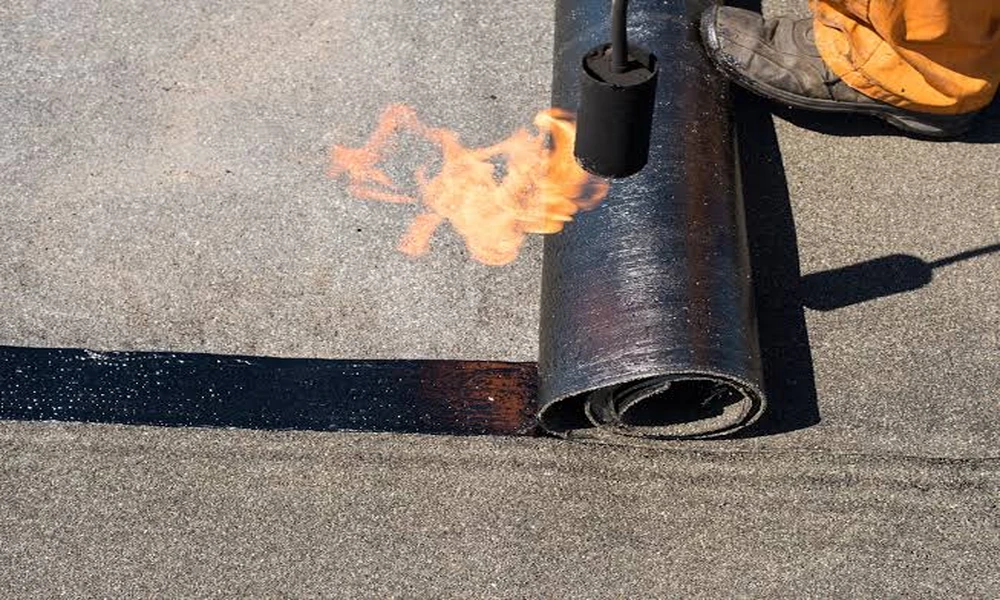
The product is a factory-made roll of modified bitumen reinforced with polyester or glass fibre, usually three to four millimetres thick, often with a mineral-granule finish on the top sheet. On site it is heated with a gas torch and fused to a primed concrete slab, with overlapping joints melted together. Some specifications use one layer; more demanding roofs use two, with joints staggered. Asking which configuration is proposed, and why, separates considered proposals from generic ones.
Planning Around Operations
Installation is weather-dependent, because neither primer nor membrane should be applied to a wet slab. In practice that means building slack into the programme during the monsoon seasons and agreeing in advance what happens to an exposed roof when an afternoon storm arrives. Businesses that need the space below to keep working should ask for the roof to be completed in sections, each one sealed before the next is opened, rather than stripped all at once.
Hot Works and Site Safety
Because an open flame is used, the work counts as hot works. On most commercial premises this requires a permit, a fire watch during and after torching, extinguishers within reach and a clear check of what sits beneath and beside the roof. Combustible insulation, stored solvents, and air intakes near the work area all need attention. A competent contractor raises these points before being asked. A torch on waterproofing membrane installed without a proper hot works plan exposes the building owner as well as the installer.
Reading a Quotation Properly
Two quotes for the same roof can describe very different jobs. Check that each one states the surface preparation, the primer, the number of layers, sheet thickness, lap widths, upstand heights, how drainage outlets will be detailed and whether a flood test is included. Also check what is excluded: removal of the old system, screed repairs, and replacement of rotten flashings are common omissions that reappear as variations once the roof is open.
Warranties and What They Cover
A warranty is only as useful as its wording. Many cover the material against manufacturing defects but not the workmanship that causes most leaks. Others are void if the roof is not inspected annually or if other trades penetrate the membrane later. Ask who issues the warranty, what it covers, whether it transfers if the property is sold and what the response time is for a reported leak. A long period with weak conditions is worth less than a shorter, clearer one.
Coordinating With Other Trades
Roofs attract equipment. Air-conditioning condensers, solar frames, antennae and new pipework often arrive after the waterproofing is finished, and each fixing is a potential leak. Businesses can protect the investment by requiring that any later penetration is detailed by a waterproofing specialist, with reinforced upstands and sealed sleeves, rather than by whichever contractor happens to be mounting the equipment.
Maintenance as a Budget Line
A bitumen roof responds well to modest, regular attention. Clearing outlets, removing debris and plants, checking laps and resealing small defects keeps it performing for many years. Scheduling an inspection after the wettest months and keeping a photographic record makes it much easier to justify repairs to management and to support any warranty claim. Neglect is the single biggest factor in shortening service life.
When Another System Makes More Sense
Torch-applied sheets are not always the right answer. Roofs with dense clusters of small penetrations, areas where flame is genuinely unsafe, or surfaces that will carry heavy vehicle traffic may be better served by liquid-applied polyurethane or specialist trafficable coatings. A good contractor will say so rather than forcing one product onto every roof, and that willingness is a useful sign of honest advice.
Making the Decision
Treat the purchase as a risk decision. Quantify what a leak would cost, insist on a written specification, confirm the hot works arrangements, read the warranty conditions carefully and budget for annual maintenance from the start. Compare contractors on the detail of their answers rather than the size of their discount. Approached this way, a torch on waterproofing membrane becomes a predictable, well-managed asset rather than an emergency waiting to happen.